
From cotton mills and market days to moorland rights and a world-famous visitor, Darwen’s history is full of graft, character and big ideas.
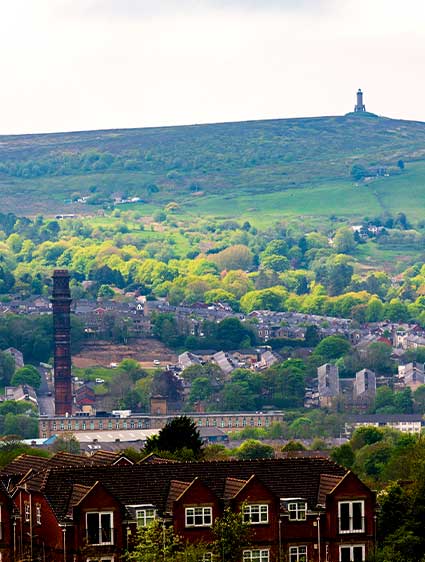
It rises above the rooftops in the unmistakable shape of India Mill chimney. It stands proudly on the moors in Darwen Tower. It can be found in the stonework of the Market Hall, beneath the streets where the River Darwen flows and in the stories still shared by local families.
Darwen grew from a rural Lancashire settlement into a thriving centre of industry, invention and trade. Generations of workers, makers, shopkeepers and community leaders helped shape the town we know today.
It is a story of hard work and ambition, but also one of warmth, welcome and a strong sense of local identity.
Weaving had long been part of life in Darwen, but the town changed dramatically during the 19th century as the cotton industry expanded.
Mills, workshops and new homes spread through the valley, while Darwen-made cloth travelled far beyond Lancashire. Paper, engineering, paint and other industries also helped establish the town as a place of skilled manufacturing and enterprise.
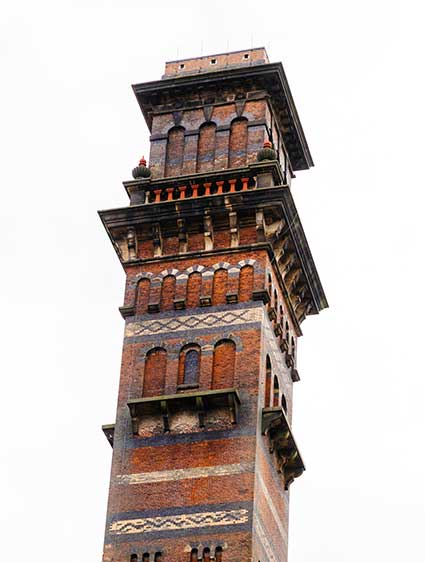
One of the most striking reminders of this period is India Mill. Its 300-foot chimney, completed during the 1860s and inspired by an Italian bell tower, remains one of Darwen’s most recognisable landmarks.

When Darwen Market Hall opened in 1882, it gave the growing town a permanent home for traders and a central place to shop, meet and do business.
Housed alongside the municipal offices, the Victorian building still showcases impressive stonework and decorative ironwork.
The market expanded during the 1970s, but its purpose has remained the same: supporting independent traders and bringing the town together.
Today, Darwen Market and Market Square remain at the heart of town life, combining everyday shopping with food, events and entertainment.
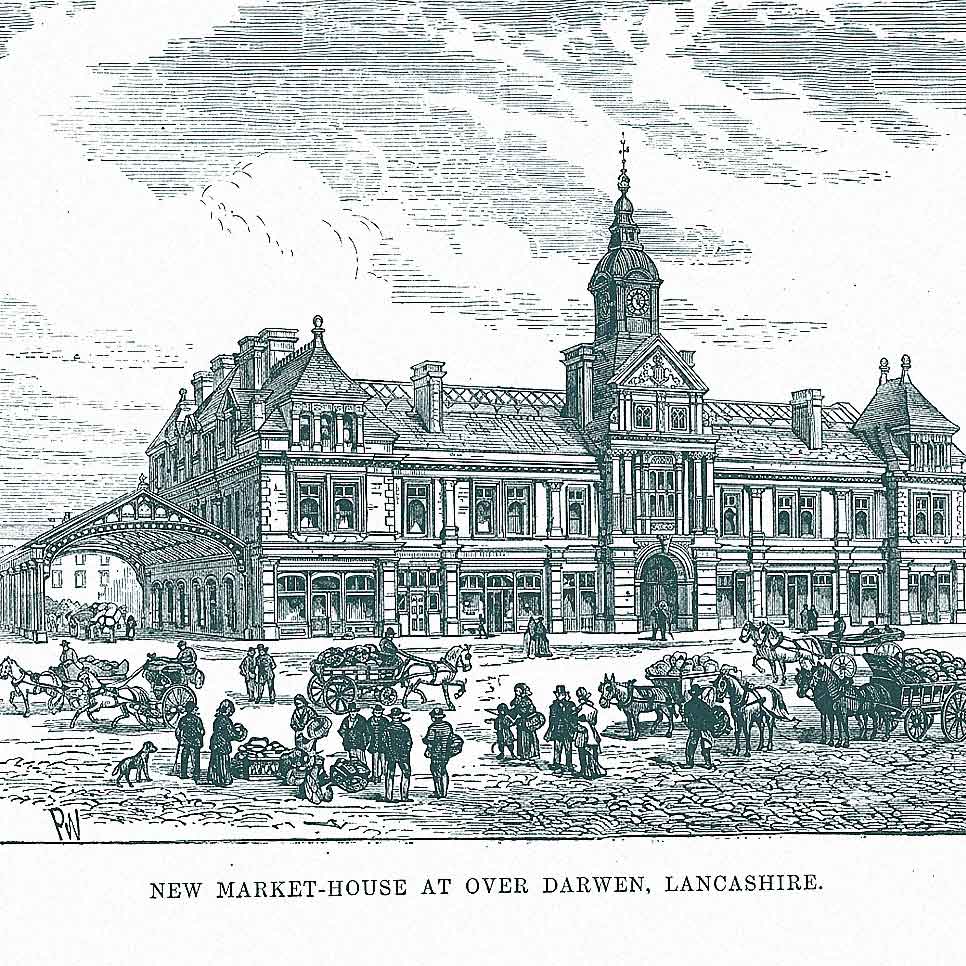
Darwen’s first purpose-built market, Greenway Market, opened in 1847. In 1882, the new Victorian Market Hall opened, giving traders a permanent civic home at the heart of the growing town.
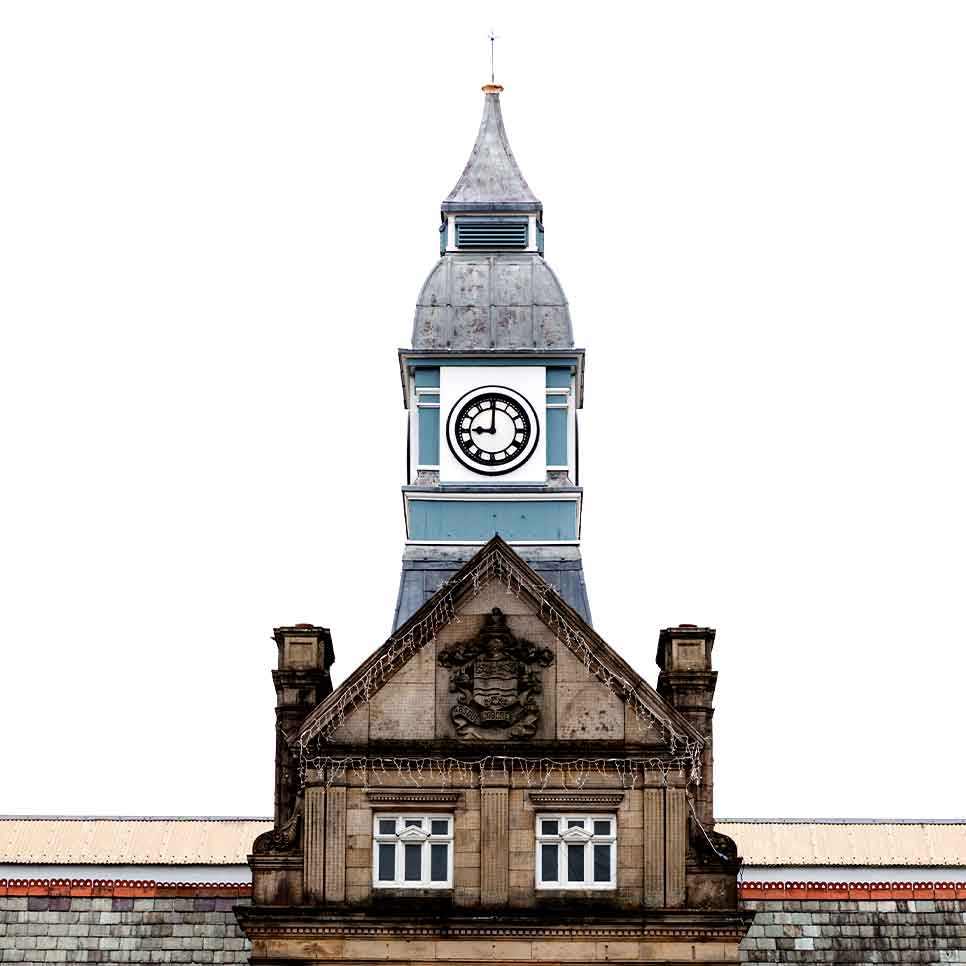
New covered market areas provide more room for food, household goods, clothing and other local traders.
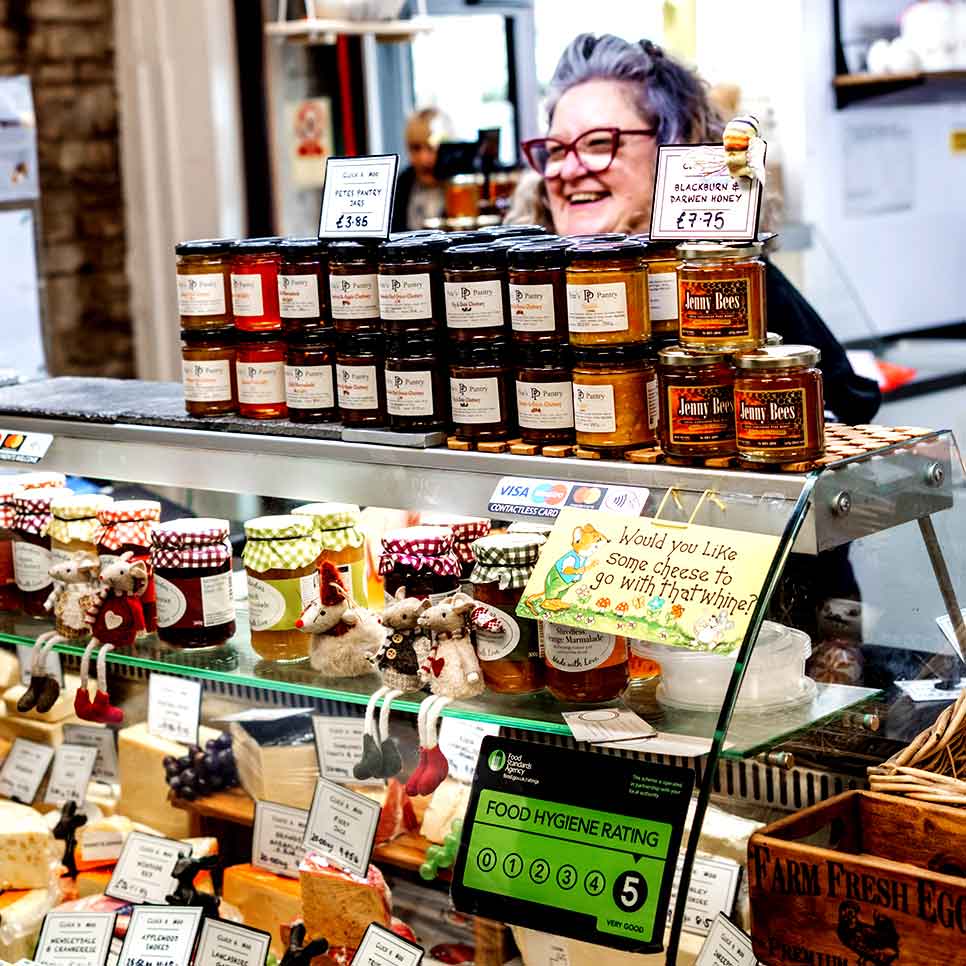
The market remains a place to shop independently, enjoy something to eat and experience the friendly character of the town.
The Jubilee Tower was completed in 1898 to commemorate Queen Victoria’s Diamond Jubilee, but its story also belongs firmly to the people of Darwen.
The tower celebrates the successful campaign to secure public access to the surrounding moorland. It became a symbol of the town’s independent spirit and the belief that the hills should be open for local people to enjoy.
Standing high on Beacon Hill, the 85-foot tower can be seen from across the town. For generations, the walk to its summit has been a Darwen tradition, rewarded by far-reaching views across Lancashire and beyond.
It is a landmark built from local pride, public determination and a love of the landscape that still draws people onto the moors today.
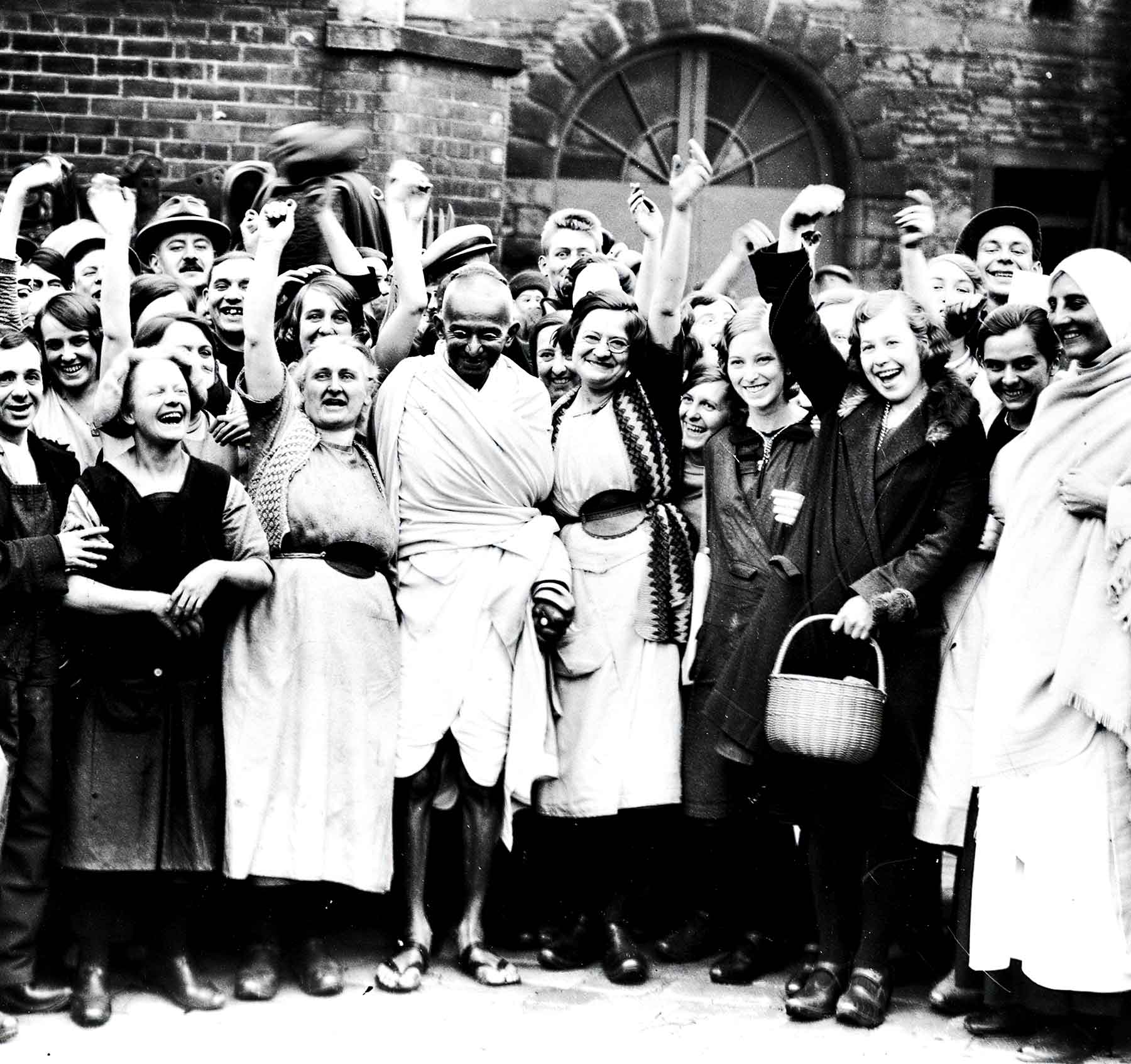
Mahatma Gandhi visited Darwen to meet textile workers affected by India’s boycott of British-made cloth. The boycott was an important part of India’s campaign for independence, but its effects were being felt throughout Lancashire’s mills.
Despite the difficult circumstances, Gandhi was warmly received by many local people. His visit brought together two communities whose lives were connected by the cotton trade and remains one of the most remarkable chapters in Darwen’s history.
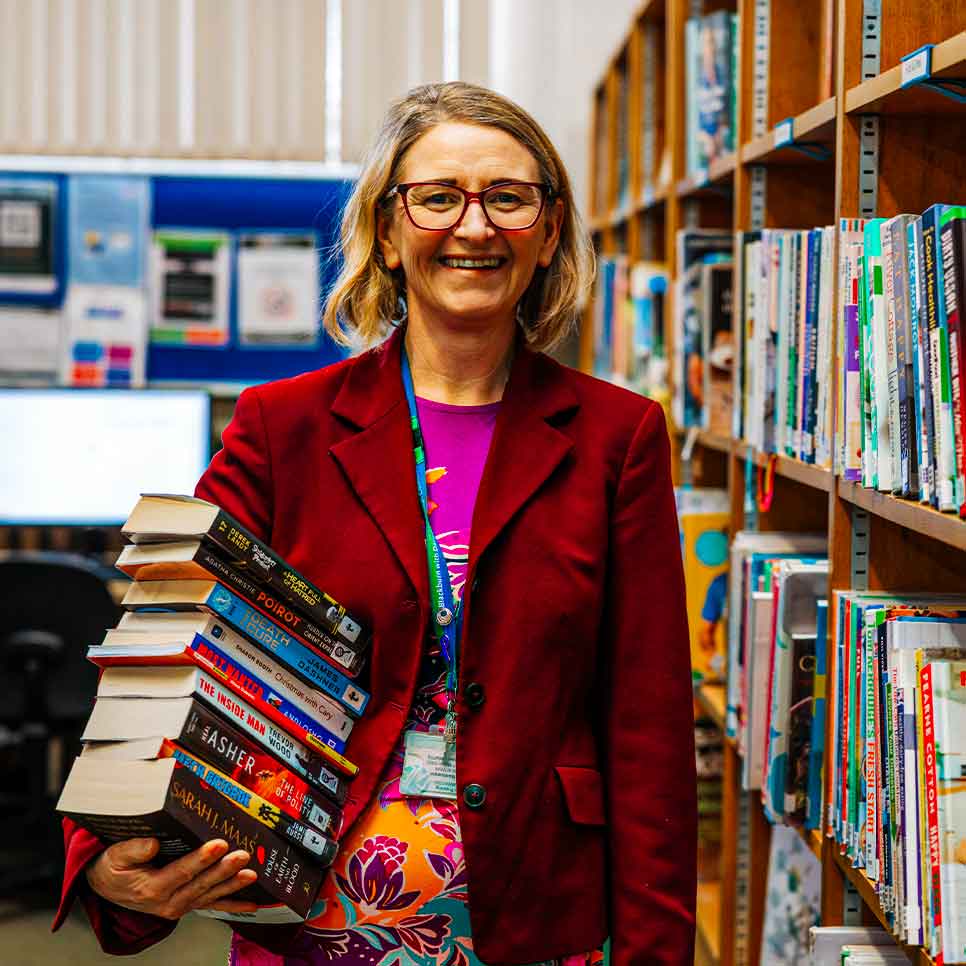
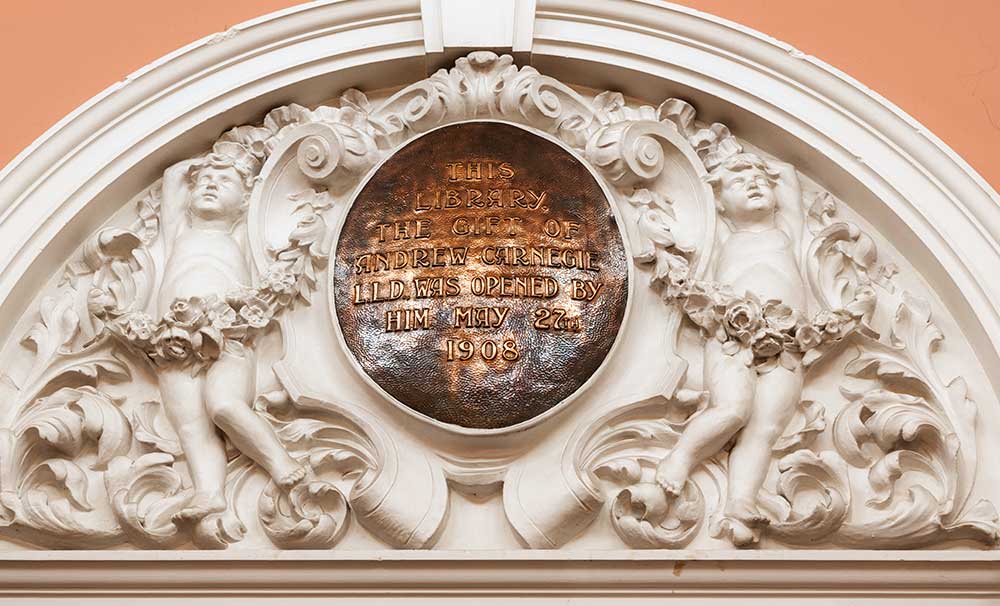
A welcoming historic library offering books, free digital access, local history resources and activities for children, families and adults.
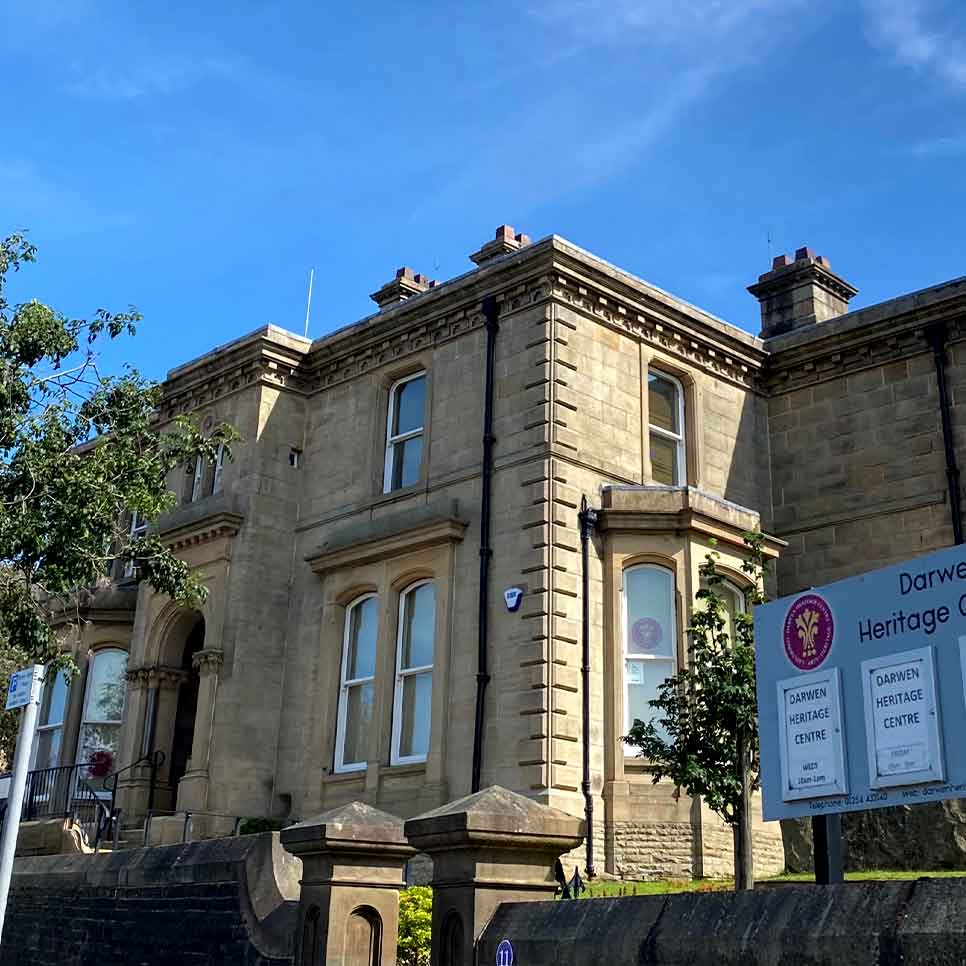
A volunteer-run heritage centre filled with photographs, artefacts, artwork and exhibitions exploring Darwen’s people, places and industrial past.
Be first to know what’s happening in Darwen.
Display options
Change how this website looks and works. Your choices will be remembered on this device.


